

Clean Hydrogen
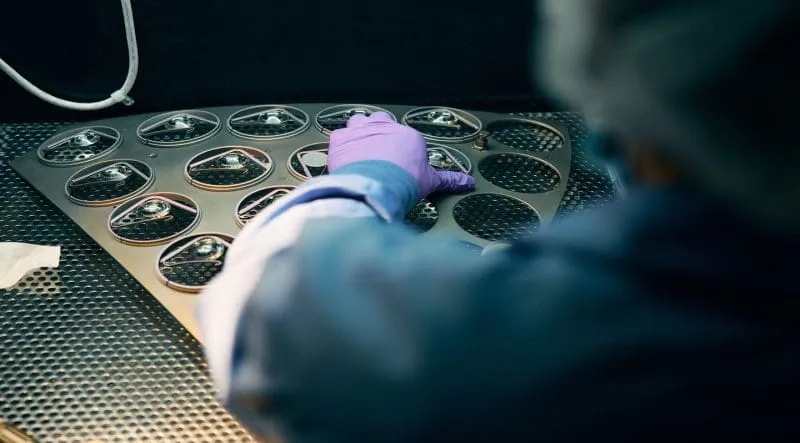

Hexegen unlocks the power of nanomaterials to produce breakthrough proton exchange membranes, electrolyzers, fuel cells, hydrides and integrated solutions that drive down hydrogen costs for a cleaner energy future.
Where performance creates advantage
Hexegen’s hydrogen offerings are ideal for a range of market applications, from electric vehicles to remote power generation. Our next-generation proton exchange membranes (PEM) use Hexite™ nanomaterials to enhance proton conductivity, improve membrane stability and reduce reliance on platinum group metals — driving down the levelized cost of hydrogen (LCOH).

More efficient

More durable

Cost effective

Accelerating the hydrogen economy
How we work
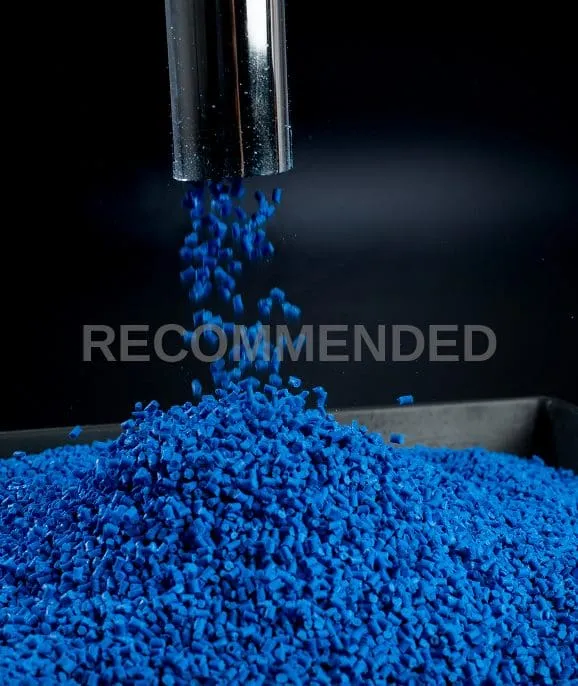
Hexite™ is engineered into thermoplastics through a controlled, repeatable process — from proprietary nanomaterial chemistry to precision dosing in the masterbatch.
Hexegen’s proprietary blend of hydrocarbon gases and chemistry creates a unique, pure carbon nanomaterial structure. Hexite™ particles feature multiple stacked single layers of carbon, giving them the properties that power our customers’ additives, products and solutions.
Hexite™ nanomaterials are integrated into the PEM catalyst layer, enhancing proton conductivity and reducing reliance on platinum group metals.
Precise dosing lets producers tune early and late age strength development, permeability and durability to their specific mix design.
The Hexegen difference
Without Hexite
Standard PEMs rely heavily on platinum group metals, face higher levelized cost of hydrogen, and shorter membrane life.
Stronger
With Hexite
Hexite™ nanomaterials enhance proton conductivity and membrane stability while reducing reliance on platinum group metals — lowering the levelized cost of hydrogen and extending membrane life.
Application environments
Hexegen’s hydrogen offerings are ideal for a range of market applications, from electric vehicles to remote power generation.
Hexite represents an innovative approach to nanomaterial design and production, aiming to make high-performance material enhancement more scalable, accessible, and cost-effective across a broader range of industrial applications.
Yes. By enhancing the strength and durability of materials like concrete, Hexite can help reduce the volume of raw materials needed and extend the service life of infrastructure, contributing to a lower environmental footprint over the material’s lifecycle.
Advanced nanomaterials can reduce material consumption by improving performance per unit used, extend product lifespan, and enable lighter, more durable designs, all of which can contribute to lower overall resource use and carbon footprint in manufacturing.
Understand more about Hexite™
See how Hexite™ works and why it outperforms conventional materials across the metrics that matter.
Explore other applications





Let’s create your competitive edge
Tell us your challenge and our team will help you find the material advantage that sets you apart.