Aerospace

Advanced nanocomposite materials engineered for the aircraft of tomorrow — built for weight reduction, durability and next-generation propulsion.
Advanced nanocomposite materials engineered for the aircraft of tomorrow — built for weight reduction, durability and next-generation propulsion.
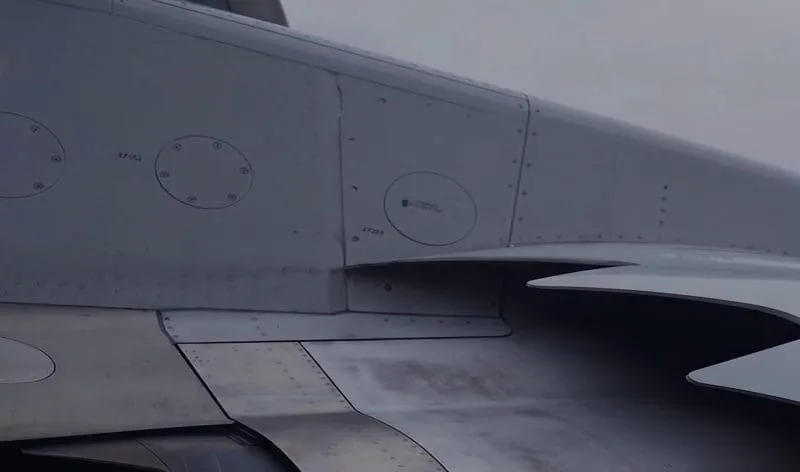
From fuselage and wings to landing gear and next-generation propulsion, Hexite-reinforced nanocomposites are re-engineering the modern aircraft structure by structure. Replacing traditional aluminum and titanium components with Hexite-enhanced materials reduces structural mass across the airframe, while improving corrosion and fatigue resistance — extending service life and freeing up the weight budget for hybrid, electric and hydrogen propulsion systems.
Imagine the aircraft fuselage skin, internal frames and structural shells, wings and tail built with Hexite-reinforced nanocomposite materials instead of traditional aluminum or titanium — delivering a >200% increase in tensile strength, a >250% increase in interlaminar shear strength and a >65% increase in lap shear strength. This allows for reduced structural mass, lower overall aircraft weight, and better corrosion and fatigue resistance, improving durability and service life.
By utilizing Hexite-reinforced composites or nano-enhanced structural components for nacelles, pylons and engine mounts, structural weight around engines can be reduced, vibration and heat resilience improved, and integration with next-generation propulsion or energy-storage solutions made easier.
Using Hexite-enhanced composite or coated pressure vessels and containers means lighter, stronger, more chemically and thermally resistant storage — facilitating alternative energy systems such as hydrogen tanks, battery housings and fuel-cell modules with less weight penalty.
Reinforcing landing-gear attachments, struts, wheel wells and supporting structures with high-strength Hexite nanomaterials can reduce weight, improve stress resistance — especially during landings — lower maintenance, and extend gear life and structural integrity.
Using Hexite-enhanced composites for cabin floor panels, bulkheads, door frames, interior structural supports and cargo-hold frames lowers interior structural mass, improves fatigue and corrosion resistance, and allows more flexible, durable cabin and cargo-hold design with reduced maintenance.
By using Hexite-enabled electrodes, nano-reinforced structural supports, lightweight composite enclosures, and advanced nano-coatings or lubricants for moving parts and storage systems, aircraft can support next-generation propulsion and energy systems more efficiently — maximizing power-to-weight ratio, energy storage density and system longevity, and enabling hybrid, electric or hydrogen-based propulsion without a heavy weight penalty.
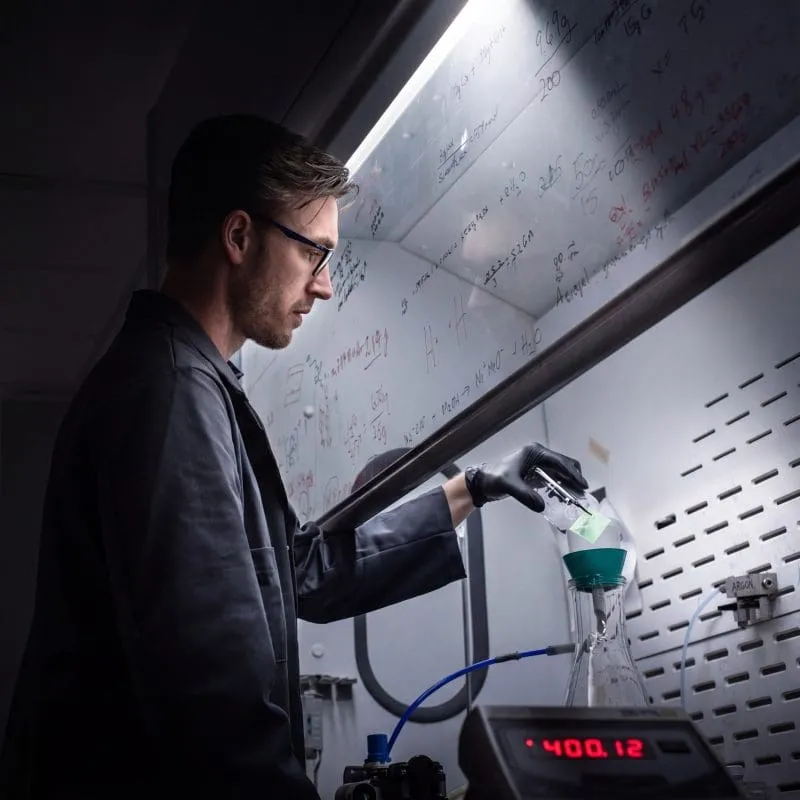
Tell us about your airframe, propulsion or structural challenge and our team will help you find the material advantage that sets you apart.
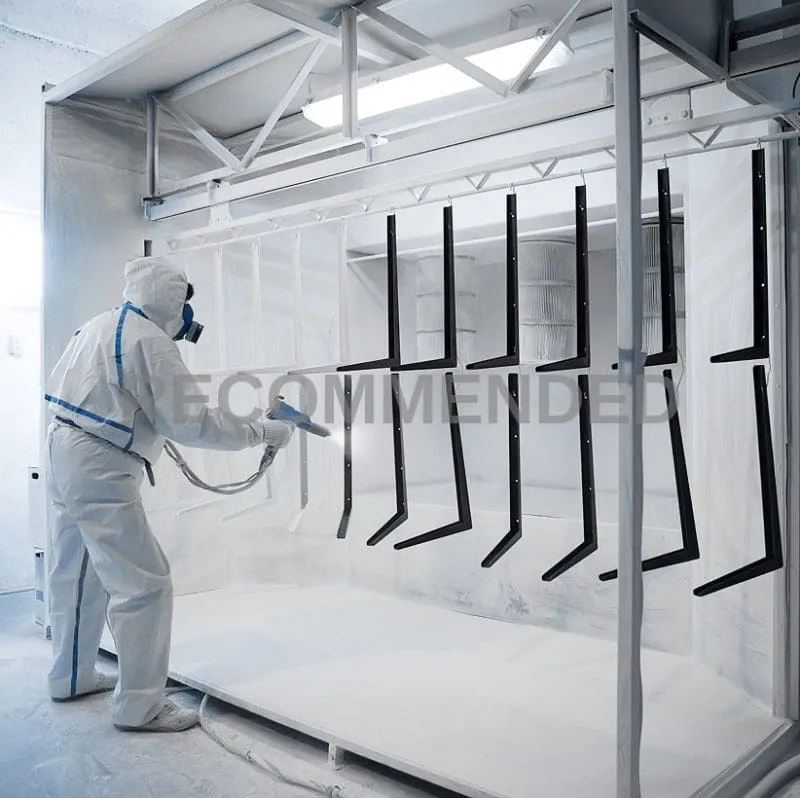
From emerging chemistries to entirely new use cases, we’re continually expanding what advanced materials can do and partnering with customers to get there first.